
April 2, 2018
99 view(s)
Deciding which binding to use to secure the pages in a document can be a bit like framing a painting. It seems straightforward enough until you consider the thickness of the glass, the array of materials used to create the frame itself, and the endless variety of mats and borders. Similarly, binding balances aesthetics with other factors like the thickness of the document and its intended use. There are a number of different ways to keep pages together, and each comes with its own benefits and drawbacks.
Most binding methods all require holes to be punched into the pages and won’t reveal whether the document has been tampered with. One of the foremost advantages of thermal binding is that pages cannot be easily removed without leaving a visible trace.
How Thermal Binding Works
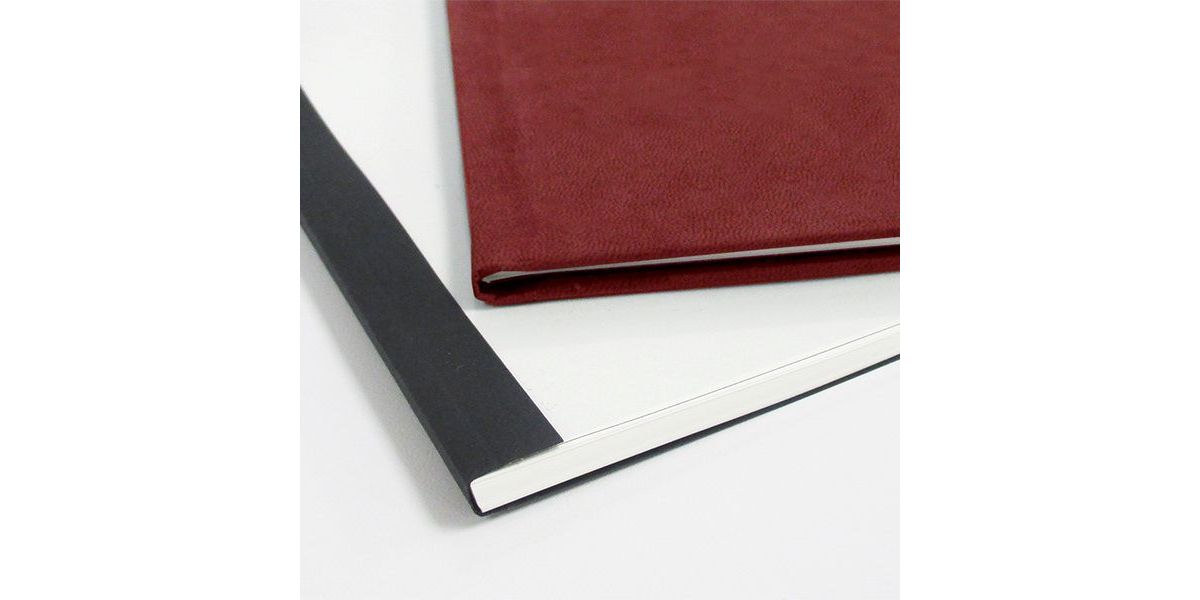
Thermal binding uses heat to seal the document into its cover. The glue is contained within the spine and once the document is inserted, a thermal binding machine heats the spine and releases the adhesive. All of the pages stick to this backbone and once the document has cooled, they are affixed permanently in place.Who Uses Thermal Binding?
This form of professional binding is favoured by clients who want to ensure the integrity of the completed product. Lawyers use thermal bindings to secure Factums, Books of Authority and exhibits for precisely that reason. It is also the binding of choice for financial proposals, business plans and annual reports because professional looking documents can be produced in large quantities at an affordable cost. Doctoral candidates are also among the main proponents of thermal binding as a transparent cover highlights the title page of their dissertation without the need to create an additional printed cover. Also, thermal binding ensures that none of these important documents lose their pages in transition.Thermal Binding Covers
Thermal bound books have flexible covers which can withstand wear and tear. The materials for the covers include clear plastic, frosted plastic, paper covers with or without window, linen, leatherette, and a multitude of other finishes.Practical Applications for Thermal Binding
Thermal binding can be used to secure a whole variety of documents, including:- Hard and soft cover books
- Theses, dissertations and research papers
- Legal documents including Factums and Case Precedents
- Commercial brochures and prospectus
- Business plans and proposals
- Financial data and analysis
- Annual reports
- Product and service descriptions
- Independently published works
- Archival data