
August 17, 2018
670 view(s)
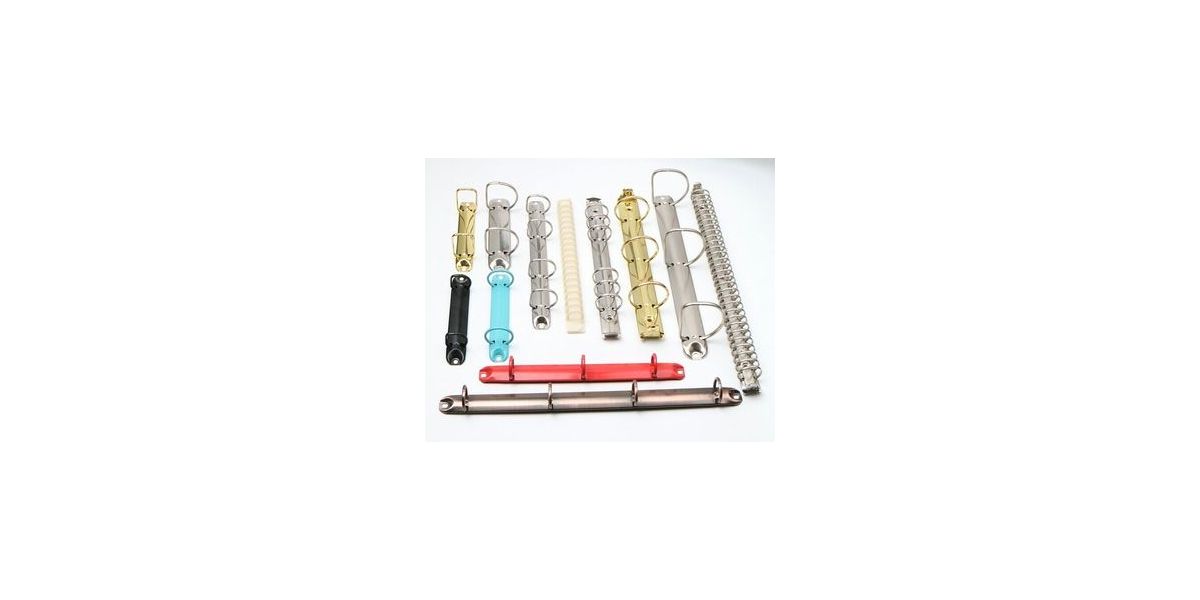
Ring binders are a staple of school lockers, office shelves and conference tables. Few people, however, spend much time thinking about what actually goes into the mechanism that holds all those pages in place. Here, then, is everything you need to know about the mechanics of ring binders.
Rings
Binder rings come in three basic types: Round or O-rings, D-rings and Slant-D Rings. The size of a Round ring is the measurement of its radius while the size of a D and Slant-D ring lets you know how long the straight part is. The size of the rings determines how much paper a binder will hold. The spine might say 3.5” inches, but that’s just an indication of how much space it’s going to take up on your shelf. When it comes to capacity, it’s the size of the ring that matters. If the ring is 1”, it’s going to hold about 60 pages. D-rings have a slightly greater capacity than Round rings. So you might get an extra ten pages into a 1” D-ring. Slant-D Rings are used once you get to the bigger sizes like 3”, 4” and 5”. The Slant allows you to fit even more pages that with a standard D-ring. Ring binder mechanisms are primarily designed to hold different sized paper. Three-ring binders usually hold letter or legal sized documents. Two-ring binders in North America are used most commonly for top-binding (hanging documents from the short side of the paper). Six-ring mechanisms cluster 3 rings at the top and bottom of the metal bar to hold memo-sized paper (6”x4”).